Why Homeowners Are Switching From Fumigation to Microwave Devices

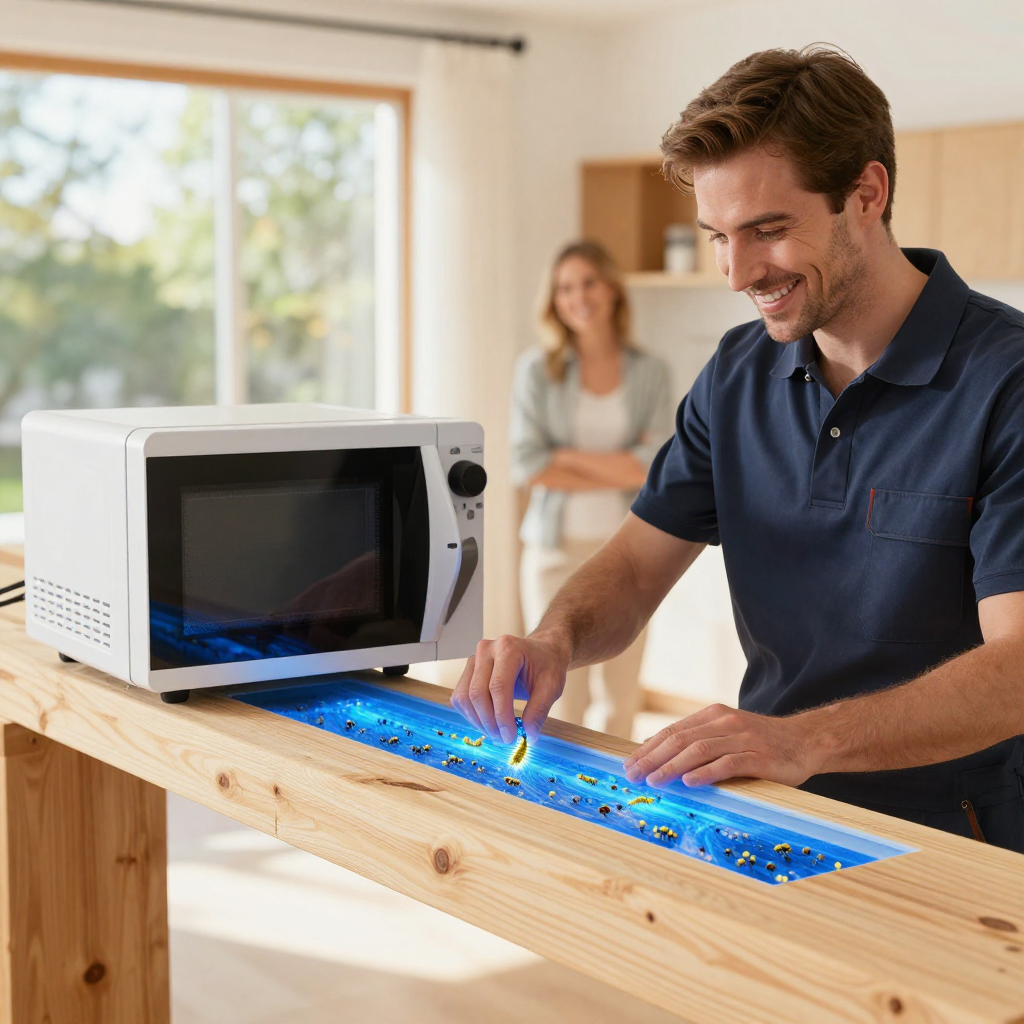
For many years, fumigation has been one of the most recognized methods for dealing with wood-boring insects. When homeowners discovered signs of woodworms in structural timber or antique furniture, chemical treatments and fumigation were often considered the default solution. Today, however, many property owners are exploring newer technologies that offer a different approach to protecting wooden structures.
One of the biggest innovations in woodworm control is microwave treatment. Instead of relying on chemical fumigants, this method uses controlled non-ionizing microwave energy to eliminate active wood-boring insects hidden inside timber. As environmental awareness grows and homeowners seek safer, more targeted solutions, Shashel is helping lead the transition toward modern, chemical-free wood preservation.
Understanding Traditional Fumigation
Fumigation is a pest control method that uses gaseous chemicals to control insects within an enclosed space. It has been used for decades in a variety of pest management situations, including certain wood-related infestations.
Depending on the project, fumigation may involve:
- Sealing the treatment area
- Introducing a fumigant gas
- Following strict safety procedures
- Allowing time for ventilation before re-entry
In some cases, fumigation remains an appropriate option. However, homeowners are increasingly considering alternatives that require fewer chemicals and offer a more targeted approach.
Why Homeowners Are Looking for Alternatives
Several factors have contributed to the growing interest in non-chemical woodworm treatments.
Many homeowners today prioritize:
- Environmentally responsible solutions
- Preservation of original timber
- Reduced chemical exposure
- Minimal disruption to daily life
- Long-term protection of valuable wood
These changing priorities have encouraged the adoption of advanced technologies such as microwave treatment.
How Microwave Technology Works
Microwave treatment approaches woodworm control in a completely different way.
Instead of relying on chemical toxicity, Shashel uses carefully controlled non-ionizing microwave energy.
As the energy passes through the timber, it interacts primarily with moisture inside living insects.
Because woodworm larvae contain significantly more moisture than seasoned wood, they absorb the energy more efficiently. Their internal temperature rises until they can no longer survive.
This process can eliminate:
- Eggs
- Larvae
- Pupae
- Adult beetles present within the treated area
The treatment focuses on the infestation itself rather than applying chemicals throughout the structure.
A Chemical-Free Solution
One of the main reasons homeowners choose microwave technology is that it does not rely on pesticides or fumigants.
Benefits include:
- No chemical insecticides
- No toxic fumigation gases
- No chemical residues on treated timber
- No lingering treatment odors
For families who prefer to reduce chemical use around their homes, this represents a significant advantage.
Better for Valuable Timber
Many homes contain original wooden features that homeowners want to preserve.
Examples include:
- Roof beams
- Ceiling timbers
- Hardwood flooring
- Staircases
- Decorative woodwork
- Built-in cabinetry
- Antique furniture
Replacing these materials can be expensive and may reduce the character of the property.
Microwave technology supports preservation by targeting active insects while helping retain the original wood.
Reduced Disruption During Treatment
Traditional fumigation often involves preparing the treatment area and following specific safety procedures before the property can return to normal use.
Microwave treatment is different because it is applied directly to the affected timber.
Depending on the size and location of the infestation, this targeted approach can help reduce:
- Unnecessary treatment of unaffected areas
- Extensive preparation work
- Large-scale chemical application
- Replacement of sound timber
Every treatment plan is tailored to the specific building and infestation.
Supporting Historic and Heritage Properties
Historic buildings require special care because original timber is often irreplaceable.
Microwave technology is increasingly used in:
- Historic homes
- Churches
- Museums
- Libraries
- Castles
- Timber-framed buildings
- Restoration projects
By avoiding widespread chemical application, Shashel helps conservation professionals preserve valuable historic materials while addressing active woodworm infestations.
Environmentally Responsible Wood Preservation
Sustainability has become an important consideration for homeowners across Europe and beyond.
Modern microwave technology supports environmentally responsible building maintenance by:
- Reducing reliance on chemical pesticides
- Avoiding toxic fumigants
- Preserving existing timber instead of replacing it unnecessarily
- Supporting long-term conservation of wooden structures
These advantages align with the growing demand for greener solutions in property maintenance.
Long-Term Prevention Still Matters
Even after successful treatment, protecting timber requires ongoing care.
Homeowners should:
- Repair roof leaks promptly.
- Fix plumbing leaks as soon as they appear.
- Improve ventilation in roof spaces and basements.
- Keep structural timber dry.
- Monitor indoor humidity.
- Inspect wooden structures regularly for new signs of insect activity.
Preventive maintenance helps reduce the risk of future infestations regardless of the treatment method used.
Why More Homeowners Are Choosing Shashel
As awareness of microwave technology continues to grow, more property owners are recognizing its practical advantages.
Some of the reasons include:
- Chemical-free treatment
- Targeted elimination of active wood-boring insects
- No pesticide residues
- Preservation of original timber
- Environmentally responsible operation
- Suitable for both modern and historic buildings
These benefits have made Shashel a trusted name among homeowners, restoration specialists, and conservation professionals looking for innovative wood preservation solutions.
The Future of Woodworm Control
The wood preservation industry continues to evolve.
Rather than relying exclusively on traditional chemical methods, modern technologies now emphasize:
- Precision
- Sustainability
- Minimal disruption
- Preservation of valuable materials
- Effective treatment of hidden infestations
Microwave technology represents an important step in this evolution, offering a scientifically based approach that addresses active pests while reducing dependence on conventional fumigation.
Conclusion
Homeowners are increasingly moving beyond traditional fumigation in search of cleaner, more targeted, and environmentally responsible ways to protect their properties. While fumigation still has an important place in certain pest management situations, microwave technology provides an innovative alternative for treating active woodworm infestations hidden inside timber.
